
Malta
EU-passportable licensing for iGaming, funds and fintech.
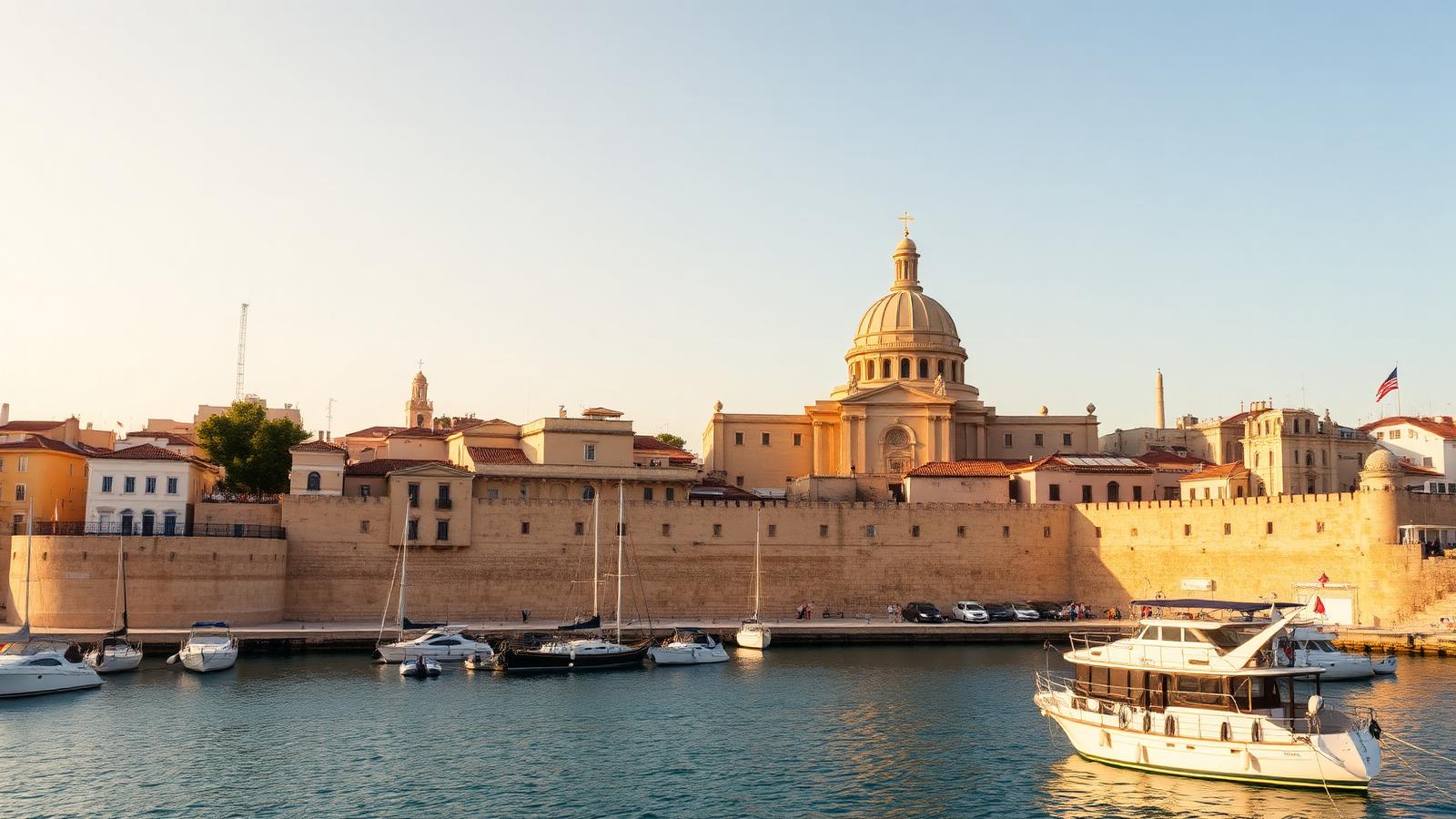
Malta is the EU-passportable licensing jurisdiction for iGaming (MGA), funds (AIF, PIF, UCITS), fintech (EMI, PSP under the MFSA) and captive insurance. English is an official language, the legal system is a common-law/civil-law hybrid, and the regulator is materially more accessible than most Western European counterparts.
The tax system is unusual: 35% headline corporate tax with a 6/7ths refund mechanism to non-resident shareholders, giving a genuine 5% effective rate on active trading income and 10% on passive income. Correctly structured, Malta is one of the most tax-efficient EU jurisdictions for regulated activity.
Where Malta fits
- iGaming (MGA)
- Funds
- PSPs
Banking landscape
Malta banking is thinner than the licensing regime deserves — many local banks are conservative on high-risk activities (gaming, crypto, fintech). ASJ Group pre-qualifies EU cross-border banking (Lithuania, Ireland, Luxembourg) as part of most Maltese licensing engagements.
Tax & reporting
35% corporate tax with a 6/7ths refund on active trading income to non-resident shareholders (effective 5%), a 5/7ths refund on passive income (effective 10%), and full imputation credits. Malta operates a wide double-tax-treaty network and full EU directive access.
Substance & register visibility
Malta requires real substance for regulated activity — local directors, office, staff and operational presence are all tested by the MFSA and MGA. Compliance costs are meaningful; the regulator expects seriousness.
When to pick this jurisdiction
Pick Malta when you need EU passporting for a regulated activity — funds, iGaming, EMI, PSP, insurance — and where the operating substance can be genuinely established locally.
Written up as a comparative shortlist.
Every Malta recommendation is delivered as a comparative memorandum — substance defensibility, banking access, treaty coverage, register visibility, cost to maintain and reputational risk — so the client can see the trade-offs before committing.
Considering Malta? Get a written comparison first.
Answer six questions and a director will come back with a shortlist, indicative costs and banking route.
Questions we hear on every Malta intake.
- How does the 6/7ths refund work?
- The Maltese company pays 35% corporate tax. When it distributes to non-resident shareholders, 6/7ths of the tax paid is refunded to the shareholders, giving a 5% effective rate on active trading income.
- How long does an MGA licence take?
- Six to nine months from filing to first-stage approval, plus a technical audit before go-live. Rushed timelines usually mean weaker files that face longer regulator Q&A.
- Is Malta on any blacklist?
- Malta was on the FATF grey list from 2021 to 2022 but was removed after strengthening AML enforcement. It remains a fully compliant EU member state.
More Europe jurisdictions & related insights
Every engagement begins with a twenty-minute director-led call. Fixed fees, in writing, before any work begins.