
Morocco
Casablanca Finance City: a 20-year tax cap and a francophone Africa gateway.
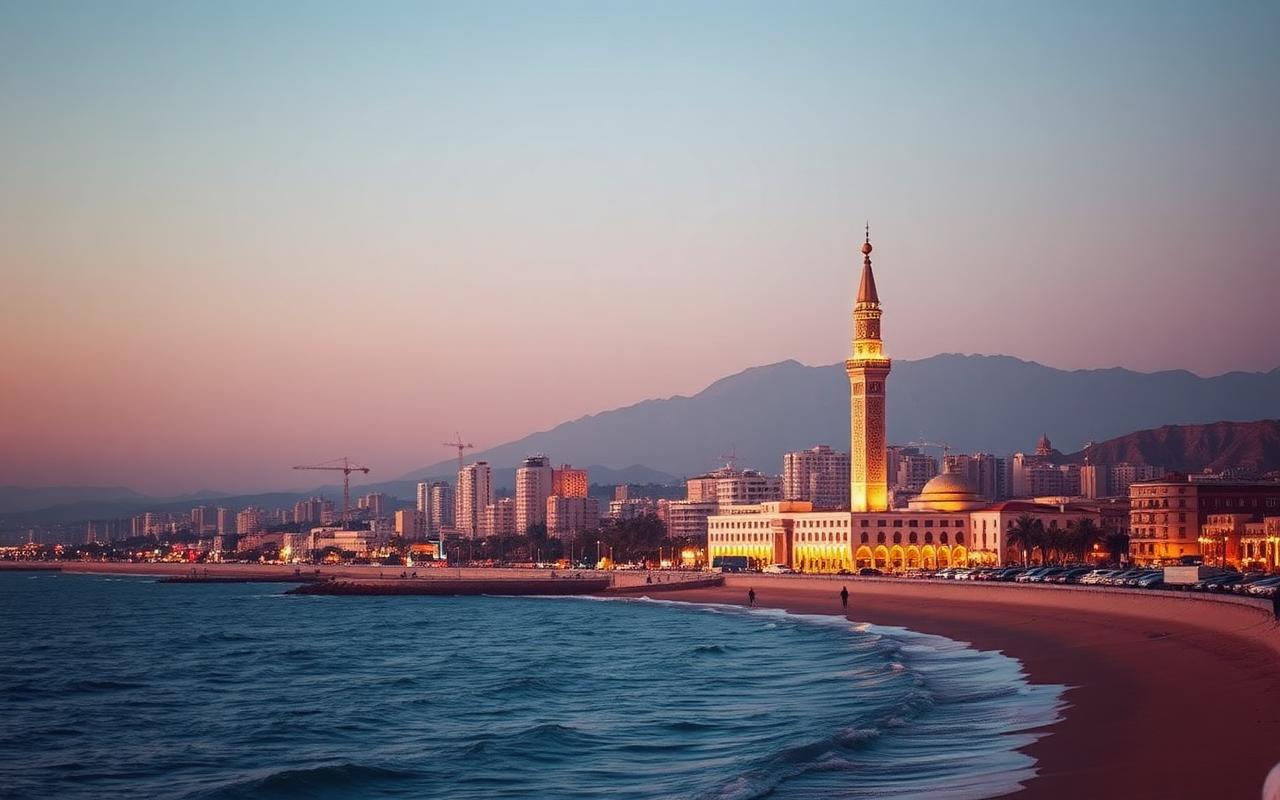
Casablanca Finance City gives qualifying regional headquarters, financial firms and service providers a capped 20% corporate rate, a full exemption in year one to five for some categories, and streamlined foreign-exchange treatment — inside a country with free trade agreements covering the EU, the US, Turkey and much of Africa.
Morocco's manufacturing base, particularly automotive and aerospace around Tangier and Kenitra, makes it a genuine nearshoring alternative to Eastern Europe for European supply chains.
Where Morocco fits
- Africa regional HQ
- Financial services
- Manufacturing
Banking landscape
Attijariwafa Bank, BMCE Bank of Africa, Banque Populaire and international banks serve corporate clients. CFC status simplifies foreign-currency account operation and cross-border transfers, which otherwise face exchange-control friction. Onboarding takes three to six weeks.
Tax & reporting
CFC-status companies benefit from a capped 20% corporate income tax on export and international income, with a five-year exemption for certain categories from the year of CFC status. Standard corporate tax rises to 35% for large domestic companies. VAT is 20%. Free zone industrial companies enjoy reduced rates.
Substance & register visibility
CFC status requires real presence in Casablanca, qualifying activity categories, minimum staffing and an annual renewal against commitments made at application. Company ownership is filed with the commercial registry and is publicly accessible. Exchange controls apply outside CFC and free zone regimes.
When to pick this jurisdiction
Pick Morocco for a francophone and West Africa regional headquarters, for manufacturing serving the European market, or for financial services needing an African base with EU proximity.
Written up as a comparative shortlist.
Every Morocco recommendation is delivered as a comparative memorandum — substance defensibility, banking access, treaty coverage, register visibility, cost to maintain and reputational risk — so the client can see the trade-offs before committing.
Considering Morocco? Get a written comparison first.
Answer six questions and a director will come back with a shortlist, indicative costs and banking route.
Questions we hear on every Morocco intake.
- What does CFC status give me?
- A capped 20% corporate rate on international income, simplified foreign-exchange treatment, and personal income tax advantages for expatriate employees.
- Is Morocco good for nearshoring to Europe?
- Yes. Tangier Med is Africa's largest port, two hours from Spain, with established automotive and aerospace supply chains and an EU free trade agreement.
- Are there exchange controls?
- Yes outside CFC and free zone regimes. This is a key reason to obtain CFC status if cross-border flows are central to the business.
What we typically deliver in Morocco
Corporate Structuring
Multi-jurisdictional holding groups, IP-routing structures, JV vehicles and re-domiciliations.
BankingInternational Banking
Warm introductions to 25+ active private and corporate banks — UK, EU, GCC, APAC, Caribbean, US.
ComplianceFiduciary & Compliance
Independent directors, AML programme design, economic substance and middle-office coordination.
MobilityResidency by Investment
Golden visas and residency across 13 jurisdictions — Portugal, UAE, Malta, Greece and more.
More Africa jurisdictions & related insights
Mauritius
The treaty gateway into Africa and India, with a working fund and banking sector.
Seychelles
Fast, inexpensive IBCs and foundations for holding and asset protection.
Rwanda
Kigali International Financial Centre — Africa's fastest-improving business environment.
Every engagement begins with a twenty-minute director-led call. Fixed fees, in writing, before any work begins.